




PCR in Plastics Recycling – How a Processor Combines Post-Consumer and Industrial Waste
PCR in Plastics Recycling – How a Processor Combines Post-Consumer and Industrial Waste
Plastics recyclers face the same challenge every day: how to turn two very different waste streams – post-consumer and industrial waste – into a raw material that meets the requirements of new product manufacturing. In this article, we explain how this works in practice, from waste classification to finished regranulate.
Key Takeaways
A plastics processor and recycler works with both household waste and waste generated by industrial facilities. Here are the key points covered in this article:
- PCR plastic comes from recycled post-consumer waste such as bottles, films and canisters, while PIR comes from industrial waste generated during manufacturing processes. Both streams are important for maintaining stable recycling operations.
- The PCR recycling process includes dismantling, sorting and cleaning, followed by shredding, regranulation and the preparation of blends for industrial applications.
- Proper waste classification at source and the separate handling of post-consumer and industrial waste streams directly affect recyclate quality and processing costs.
- Using PCR plastic can reduce the carbon footprint of packaging, while PCR recycling also reduces dependence on fossil resources such as crude oil and natural gas.
- At the end of the article, you will find an FAQ section answering practical questions commonly asked by businesses.
What Is PCR in Plastics Processing?
PCR comes from post-consumer waste – products and packaging that have already been used by consumers and subsequently entered municipal selective collection systems or other recycling streams. It is a highly variable source of recycled material, but one with significant potential.
- Typical input streams include PET beverage bottles collected through deposit return systems introduced in Poland after 2025, HDPE canisters from household chemicals and LDPE films from secondary and transport packaging, including stretch film used to wrap boxes and pallets.
- From a processor’s perspective, PCR includes recycled materials such as rPET, rHDPE, rPP and rLDPE. These materials often require advanced sorting and washing lines because post-consumer waste may contain organic residues, labels and other contaminants.
- Compared with virgin plastics, PCR recyclate usually shows greater variation in colour and mechanical properties, which may require the use of stabilisers and additives. At the same time, producing recycled material generally results in a lower carbon footprint and reduced consumption of fossil resources.
- PCR plastic can account for anywhere from 10% to 100% of the recycled content in a finished product, depending on the required quality specification and end-use application.
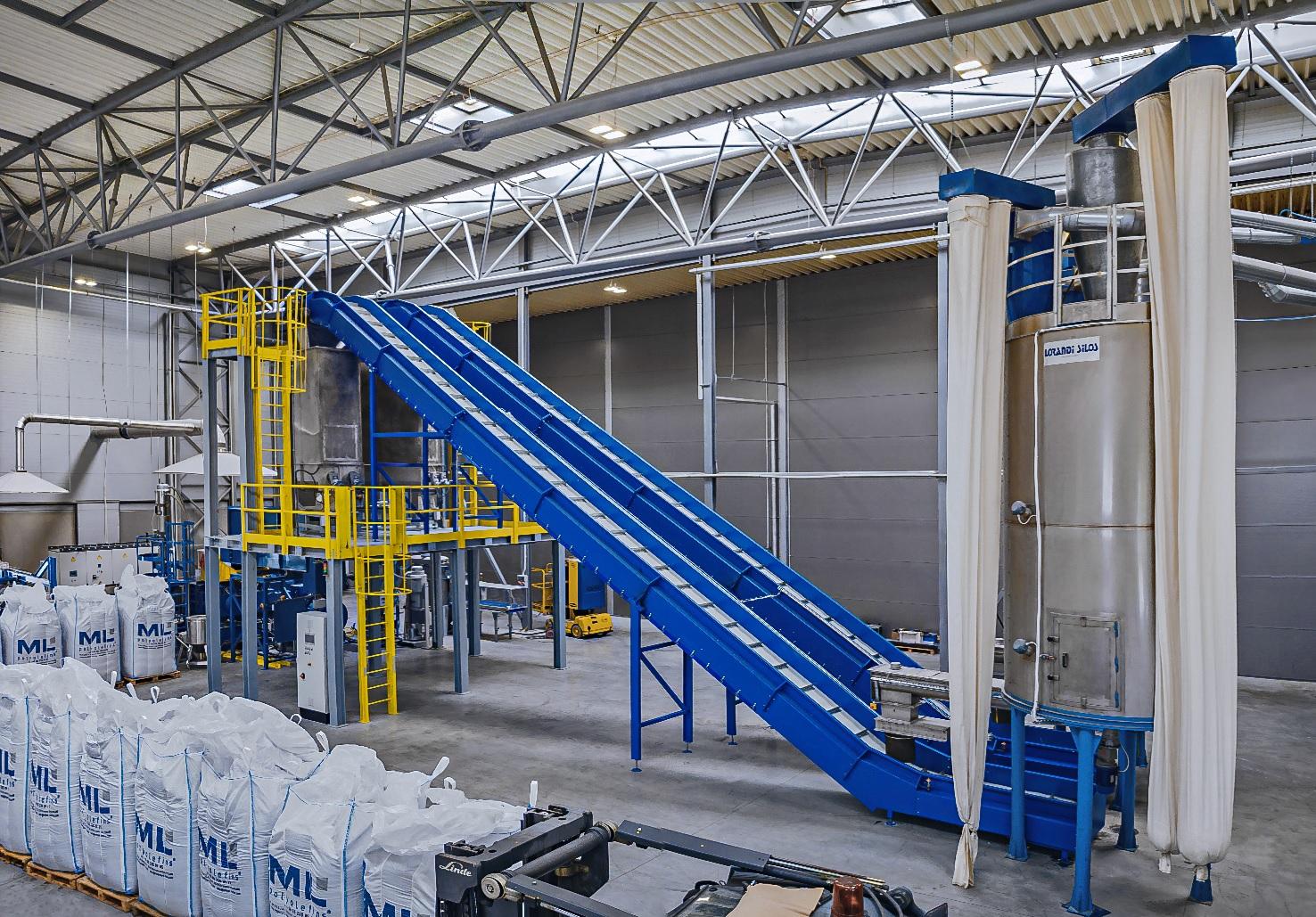
Two Feedstock Streams: Packaging Waste, Post-Consumer Waste and Industrial Waste
A recycling facility can process two main waste streams in parallel. These differ significantly in terms of cleanliness, consistency and processing requirements.
- Post-consumer stream – packaging waste from municipal selective collection, food containers and films from retail and distribution. Because these materials come from millions of consumers, they can vary considerably in polymer type, colour and contamination level. They may contain food residues, organic matter and even electrical or electronic waste incorrectly disposed of in plastic collection bins.
- Industrial waste stream – waste generated during manufacturing processes, including plastics processing, construction and servicing activities. Examples include injection-moulding sprues, defective components, extrusion trimmings and post-production film. PIR is generally more homogeneous, for example clean PP from a single injection-moulding process, which can reduce the need for extensive washing. Industrial waste is typically classified under waste groups 07 to 17, depending on the industry in which it originates.
- In practice, a processor may combine both streams in different proportions to produce recycled blends tailored to specific applications – from technical buckets and construction profiles to logistics components. The exact ratio depends on the customer’s requirements regarding mechanical performance, appearance and price.
Waste Classification and Record-Keeping for Recycling Operations
Correct waste classification is one of the foundations of the recycling process. Without it, a recycling plant cannot legally accept the material or reliably control the quality of the resulting recyclate.
- Industrial waste accounts for more than 90% of the total mass of waste generated in Poland, and around 80% of industrial waste by weight comes from mining and quarrying. The remaining share – including plastic waste, dust, metals and construction and demolition waste – can still represent a valuable source of secondary raw materials.
- Industrial waste is classified into groups 01 to 19 under the Polish waste catalogue. Typical codes for plastic waste include 07 02 13 for waste plastics generated during production and 15 01 02 for plastic packaging. Hazardous waste is marked with an asterisk in the catalogue and cannot be processed on a standard recycling line. It requires separate handling and treatment procedures. Fractions excluded from recycling must also be managed in accordance with applicable waste treatment regulations.
- Industrial waste may generally be stored for a maximum of three years, which means waste producers must ensure efficient transport and transfer to recovery operations. Where recovery or recycling is not possible, disposal or landfilling in accordance with environmental regulations remains the last resort.
- Businesses transferring waste are responsible for assigning the correct waste codes, keeping records in the electronic BDO system, issuing the relevant Waste Transfer Card (KPO) and holding any permits required by law. Waste contaminated with hazardous substances must not be mixed into recyclable streams. Solvents, chemical residues or metallic contaminants may disqualify an entire batch.
- From the recycler’s point of view, the better the segregation and classification at source, the lower the cleaning costs and the higher the potential quality of the resulting regranulate. Hazardous waste and waste electrical and electronic equipment (WEEE) require separate installations, procedures and permits.
The PCR Recycling Process in a Processing Plant
Turning plastic waste into finished regranulate involves several key stages, each of which influences the quality of the final material.
- Collection and acceptance: waste from municipal collection systems and industrial plants arrives at the recycling facility, where it is weighed and subjected to visual inspection, waste code verification and BDO documentation checks. Each batch is also assessed for its level and type of contamination.
- Pre-sorting: plastics are mechanically separated from paper, glass, metals and other contaminants using drums, screens and separation equipment. Metallic fractions may be removed using magnetic systems and eddy current separators.
- Advanced sorting: NIR optical sorters identify polymer type and colour, which is particularly important when processing post-consumer material. Black plastics can still be challenging because conventional optical sorting systems may have difficulty detecting them.
- Washing and separation: the washing line may include hot washing at approximately 60–80°C with detergents, density-based float-sink separation to separate PP and PE from PET, label removal and the separation of mineral contaminants. This stage also generates process water that must be properly treated before reuse or discharge. Effective cleaning is critical to achieving consistent recyclate quality.
- Shredding and agglomeration: material is shredded into flakes, while LDPE film may be agglomerated to improve bulk density and stabilise feeding conditions before regranulation.
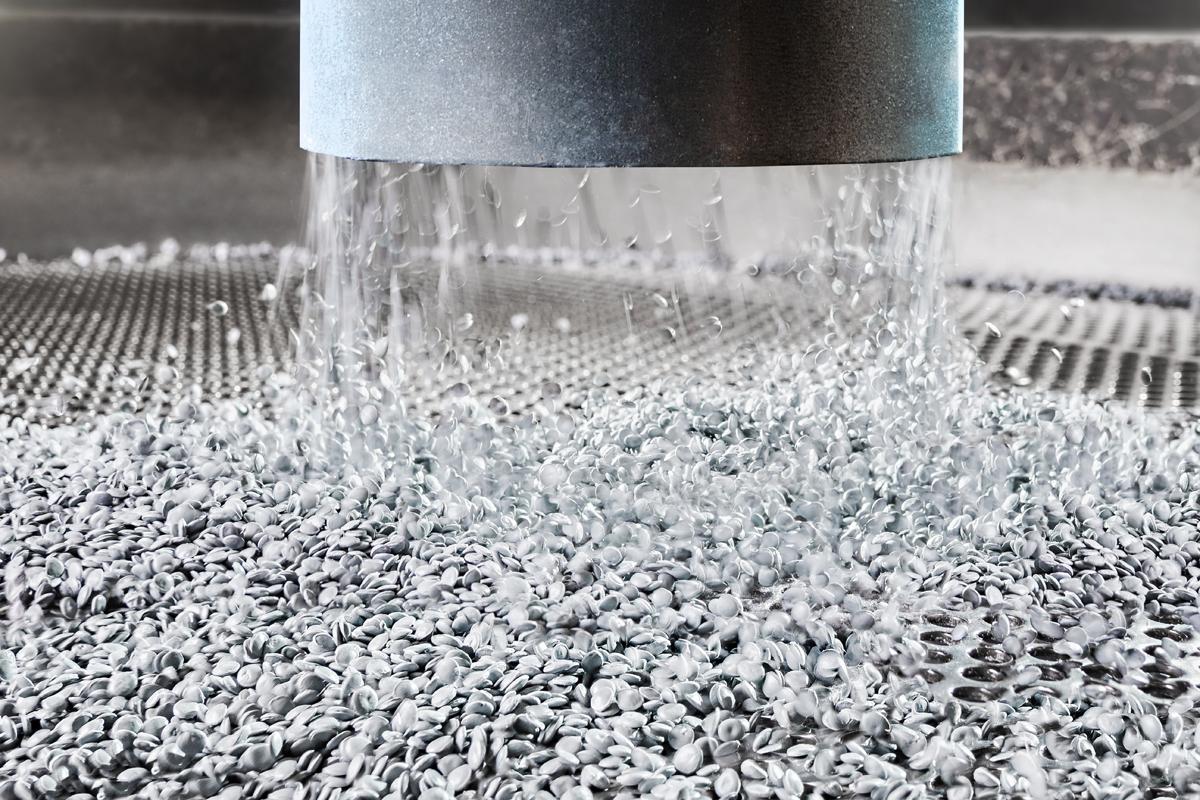
- Regranulation (extrusion): the material is melted in an extruder, filtered through screens or self-cleaning filtration systems and degassed. Degassing is particularly important for PCR, where residual organic contamination may generate volatile compounds. The molten polymer is then converted into granulate.
- Modification and quality control: UV stabilisers, mineral fillers or other additives may be introduced, while PCR recyclate can be blended with more homogeneous PIR to achieve specific mechanical properties. Parameters such as MFR, mechanical strength and colour are tested to ensure consistent quality.
Applications of PCR and Industrial Recyclate Blends
PCR and PIR recyclates are used across a wide range of applications – from relatively simple logistics products to more demanding technical components.
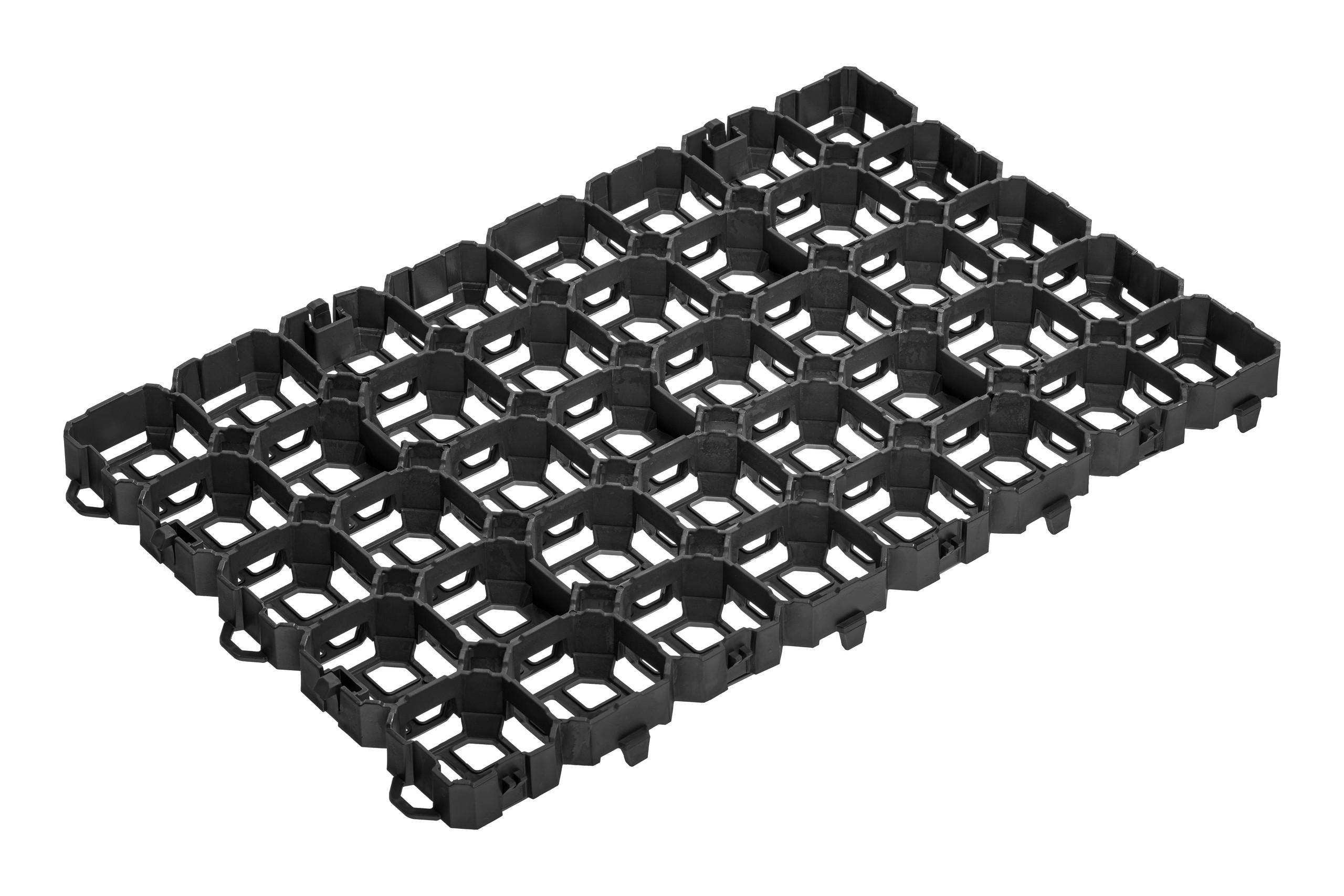
- Technical and logistics packaging: pallets, crates and containers made from PP or PE may contain approximately 30–80% PCR, supplemented with cleaner industrial recyclate where required. PCR is also increasingly used in packaging and consumer products designed for repeated use within closed or semi-closed logistics loops.
- Construction products: protective pipes, profiles and sheets made from recycled HDPE can incorporate material originating from both municipal waste streams and production offcuts. UV stabilisers and mineral fillers can be used to improve durability.
- Non-food packaging: bottles and canisters for household chemicals may contain high shares of rHDPE, in some applications even up to 100%. Using PCR plastic can reduce the greenhouse gas emissions associated with the life cycle of packaging.
- Automotive and household appliances: PIR is often used in more demanding applications, including interior components, covers and structural fillers. Consistency of material properties is critical, which is why these blends may contain a higher share of homogeneous post-industrial material.
- The optimal proportion depends on customer requirements, price, appearance and the declared recycled content of the final product. It is also worth remembering that PCR plastic is not biodegradable. Its environmental benefit comes from keeping existing polymer material in circulation and reducing the demand for virgin resources.
Environmental and Business Benefits of Using PCR and Industrial Waste
Processing both streams simultaneously can provide operational and environmental advantages for recyclers while also creating measurable benefits for waste-generating businesses.
- Environmental benefits: recycling reduces the amount of industrial waste sent to landfill, can lower CO₂ emissions compared with the production of plastics from fossil feedstocks such as crude oil and natural gas, and supports the transition towards a circular economy. Producing virgin polymers requires fossil resources and energy, while mechanical recycling can reduce demand for both. Fractions that cannot be mechanically recycled may be sent for energy recovery, which remains lower in the waste hierarchy than recycling but preferable to landfilling.
- Business benefits for processors: industrial waste provides a relatively stable source of feedstock, while the ability to manage different material streams increases flexibility in formulating recycled blends. Waste management services can also create an additional revenue stream. Working with both PCR and PIR can help recyclers manage fluctuations in raw material availability, quality and market prices.
- Benefits for waste producers: companies can reduce storage and disposal costs, generate revenue from valuable recyclable fractions and improve recycling indicators reported through the BDO system. Environmental compliance is a legal obligation, but efficient waste management can also become an operational and economic advantage.
- Regulations: Regulation (EU) 2025/40 on Packaging and Packaging Waste (PPWR) introduces minimum post-consumer recycled content requirements for packaging from 2030, ranging from 10% to 35% depending on the packaging category. In Poland, PCR accounted for approximately 6% of plastic packaging in 2020, indicating that considerable development is still required to meet future targets. The average plastic packaging recycling rate in the EU reached 41% in 2022.
FAQ – Frequently Asked Questions About PCR and Industrial Waste
Can every type of plastic waste generated by a manufacturing plant be used in PCR recycling?
- No. Only materials suitable for mechanical recycling and free from hazardous contamination can be processed on conventional recycling lines. Ideally, they should also be sufficiently homogeneous, for example clean PP or PE without heavy metals, oils, combustion residues or solvents.
- Waste mixed with other fractions such as paper, metals or construction debris requires additional cleaning and separation and, in some cases, may only be suitable for energy recovery.
How should industrial plastic waste be prepared before being transferred to a recycler?
- Separate the material by polymer type, using dedicated containers for PP, PE, PET and other plastics.
- Keep injection-moulding waste separate from films and other forms of plastic waste.
- Minimise contamination with paper, metal, glass and other foreign materials.
- Clearly label containers with the relevant waste code and ensure that all required permits and BDO documentation are in place.
Can PCR recyclate be used in food-contact packaging?
- It is possible for selected polymers, such as rPET and certain rHDPE streams, but only when the recycling process complies with stringent food-contact and safety requirements. Certain recycled plastics can be authorised for food-contact applications under applicable EU and EFSA procedures.
- In many applications, PCR is instead used in non-food packaging or in layers that are not in direct contact with food, which may be more practical and cost-effective.
How much PCR recyclate can technically be used in new products?
- Approximately 10–30% may be used in products with high aesthetic or mechanical requirements, such as certain automotive and household appliance components.
- Up to 100% may be technically possible in simpler applications such as protective pipes, pallets or crates.
- The achievable recycled content ultimately depends on the quality of the feedstock, required material properties, production technology and the customer’s specification.
What is the difference between PCR and recycled material from industrial waste (PIR) in terms of price and availability?
- PIR is generally more homogeneous and predictable and may require less intensive cleaning and sorting. However, its availability depends on the production output of specific industrial facilities and can therefore be limited.
- PCR is typically more variable in quality and may involve higher processing costs because of the need for intensive sorting and cleaning, but it is available on a much larger scale through municipal waste collection systems.
- From a recycler’s perspective, working with both streams provides greater flexibility in terms of supply, formulation, quality management and cost optimisation.

