




Polypropylene (PP) – Properties, Applications and Recycling from the Perspective of ML Polyolefins
Polypropylene (PP) – Properties, Applications and Recycling from the Perspective of ML Polyolefins
Polypropylene (PP) is a lightweight thermoplastic polymer from the polyolefin group, widely used across industry due to its high mechanical strength, good chemical resistance, ease of processing and recyclability. It is used in products ranging from car bumpers and yoghurt cups to plumbing pipes and disposable syringes, which means its properties are directly relevant to plastics processors, industrial manufacturers and companies comparing materials for the automotive, packaging, medical and construction sectors.
At ML Polyolefins, we process polypropylene again, converting post-industrial and post-consumer waste into regranulates and compounds that are returned to the material cycle. This article discusses the physical and chemical properties of polypropylene, its behaviour under different thermal conditions, the main types of PP, comparisons with other plastics, specific applications across multiple industries and the importance of recycling from the perspective of ML Polyolefins.
This topic is important not only because of the scale of polypropylene use, but also because properly managed recycling supports environmental protection and helps optimise production costs.
Key facts
- Polypropylene accounts for approximately 15.4% of thermoplastic plastics production in Europe and is widely used in packaging, automotive, construction and medical applications.
- Polypropylene combines low density (0.90–0.91 g/cm³), high mechanical strength, good chemical resistance and low water vapour permeability.
- Polypropylene is a thermoplastic material that is easy to process and can be formed using various processing technologies, including injection moulding, extrusion, blow moulding and thermoforming.
- The current PP recycling rate in the EU is approximately 14–15% of the waste stream, while the target for 2030 is 55%.
- ML Polyolefins specialises in the mechanical recycling of polyolefins, supplying PP regranulates and compounds with controlled quality parameters.
What is polypropylene (PP)?
Polypropylene is a thermoplastic polymer belonging to the polyolefin family. It is produced through the polymerisation of propylene using Ziegler–Natta catalysts or more advanced metallocene catalyst systems. PP is one of the most widely used plastics, alongside polyethylene (PE), PVC and PET.
In industrial applications, isotactic polypropylene is the dominant form, characterised by an ordered polymer chain structure and crystallinity of approximately 30–60%. This structure provides specific mechanical properties, including rigidity, hardness and dimensional stability.
The main differences between PP and PE are that polypropylene has a higher melting temperature, typically 160–170°C compared with approximately 120–135°C for HDPE, as well as greater stiffness and better thermal resistance. However, PP has limited resistance to UV radiation unless stabilising additives are used.
In Europe, polypropylene is identified by the recycling code “05 PP”, which makes it easier to separate from other materials in plastic waste streams.
Polypropylene compared with other plastics
Polypropylene stands out among other plastics primarily due to its favourable strength-to-weight ratio. Below is a comparison with some of the main alternative materials from the perspective of material selection:
- PP vs HDPE: PP offers higher operating temperatures and greater stiffness. HDPE performs better at low temperatures and is easier to weld. Both polymers can be mechanically recycled relatively easily.
- PP vs PET: PET provides better gas barrier properties, particularly against CO₂ and O₂, making it suitable for carbonated beverage bottles. PP, however, has a lower density and can offer a favourable processing cost per kilogram.
- PP vs PVC: PVC offers better flame resistance but contains chlorine and, in flexible grades, may require phthalate plasticisers. PP is odourless and does not require plasticisers.
- PP vs ABS/PC: ABS and PC generally provide higher impact strength and better surface aesthetics. PP offers better chemical resistance and can have a lower carbon footprint when produced using recycled material.
Polypropylene is lightweight and floats on water. With a density of approximately 0.90–0.91 g/cm³, it is one of the lightest commodity plastics. This characteristic, combined with its suitability for mechanical recycling, makes PP and PE among the most practical polymers for circulation within a circular economy.
ML Polyolefins focuses on recycling polyolefins, particularly PP, because their post-recycling properties can still meet the requirements of many technical applications.
Physical properties of polypropylene
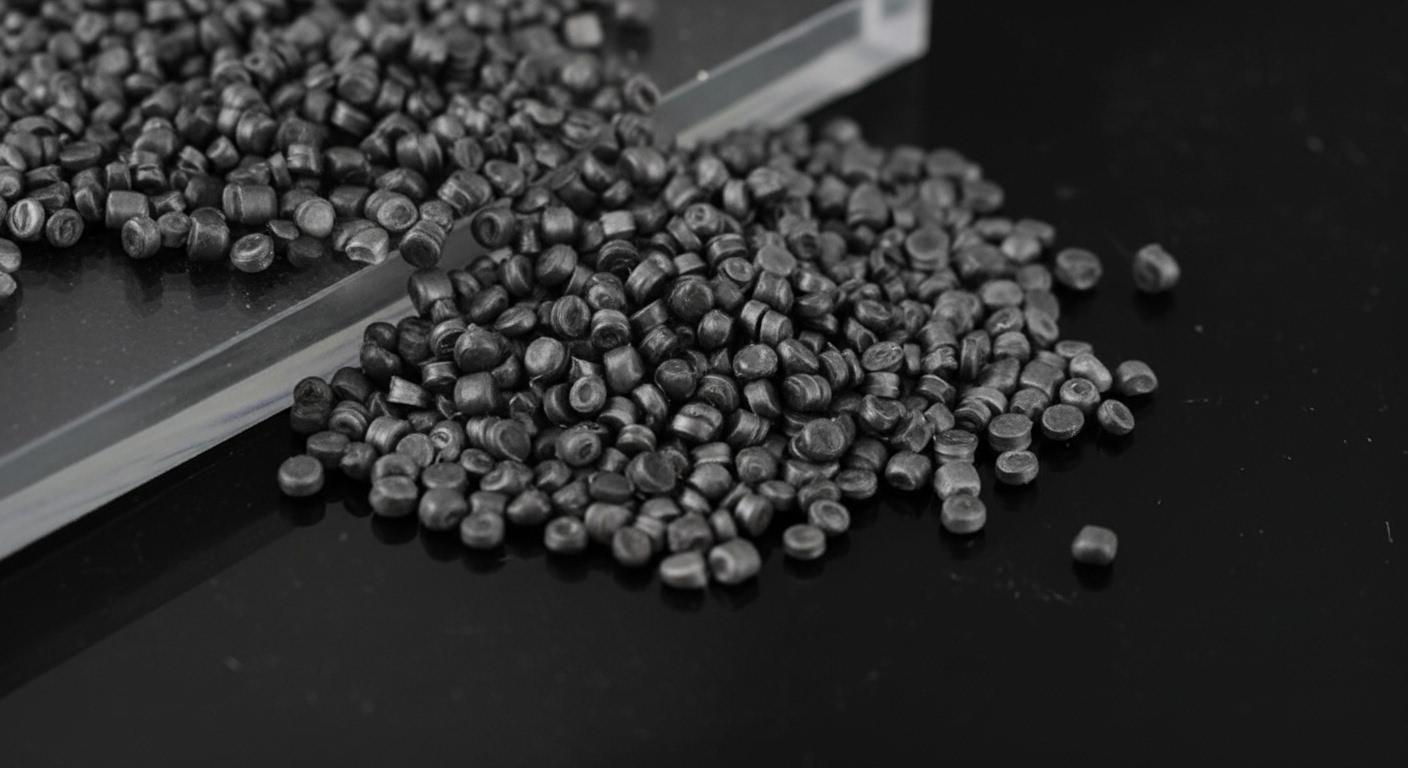
The physical properties of polypropylene determine whether the material is suitable for a given product design. PP is solid at room temperature and transitions through solid, softened and molten states within the temperature range relevant to plastics processing.
- Density: approximately 0.90–0.91 g/cm³ for homopolymer grades. Copolymers and compounds containing mineral fillers such as calcium carbonate or talc can reach approximately 1.10–1.20 g/cm³. The low density helps reduce component weight, transportation costs and material consumption.
- Melting temperature: approximately 160–170°C for isotactic PP. Typical processing temperatures range from approximately 200 to 260°C depending on the process, such as injection moulding or extrusion. Short-term service temperatures can reach approximately 110–120°C, which makes PP suitable for selected household appliance components exposed to elevated temperatures.
- Mechanical properties: flexural modulus typically ranges between 1,400 and 1,800 MPa, while tensile strength is commonly around 30–40 MPa. Polypropylene also has good fatigue resistance. “Living hinges”, such as those used in packaging lids, can withstand tens of thousands of opening and closing cycles without cracking.
- Dielectric properties: PP is electrically insulating, with dielectric strength often exceeding 20–30 kV/mm. It is therefore used in electrical applications such as housings, connectors and cable ducts.
- Ease of processing: polypropylene can be processed by injection moulding, extrusion, blow moulding and thermoforming. However, its low surface energy makes adhesive bonding more difficult and may require plasma treatment or primers.
- Modification: additives such as glass fibres at 10–40%, elastomers and mineral fillers can significantly modify the physical properties of PP. At ML Polyolefins, we produce PP compounds filled with talc and calcium carbonate, tailored to specific customer requirements in the automotive and household appliance industries.
Chemical and physicochemical properties of polypropylene
The chemical and physicochemical properties of polypropylene result from its saturated hydrocarbon chain, which is chemically inert towards many industrial media.
- High chemical resistance: PP is resistant to many acids and alkalis, including solutions such as NaOH and HCl, as well as salts, detergents and automotive fluids. This makes polypropylene suitable for applications where components come into contact with chemically aggressive substances.
- Solubility: polypropylene is practically insoluble in water and in most polar solvents at room temperature. It may be affected by strong oxidising agents and certain organic solvents at elevated temperatures, particularly above approximately 80°C.
- Barrier properties: PP has low water vapour permeability and very low water absorption, typically around 0.01–0.02%. This is particularly important in food packaging and household chemical applications.
- UV radiation: without stabilisers, PP may lose 50–70% of its tensile strength after prolonged exposure to sunlight. With a suitable package of HALS stabilisers, UV absorbers and antioxidants, the service life of outdoor components can be significantly extended. UV degradation involves both physical and chemical changes caused by photo-oxidation.
- Flammability and biological resistance: polypropylene is combustible, which means flame retardants may be required in construction and electrical applications. PP does not provide a nutrient source for microorganisms, does not rot and does not corrode.
- Safety: polypropylene does not contain bisphenol A (BPA) or phthalate plasticisers. Suitable PP grades can be used in food-contact and medical applications, provided they meet the applicable regulatory requirements.
- Recycling and properties: repeated processing may reduce molecular weight and impact strength. At ML Polyolefins, we compensate for these changes through raw material selection, restabilisation and the use of impact modifiers in order to maintain PP properties at levels suitable for technical applications.
Types of polypropylene and their properties
In the European PP market, homopolymers account for approximately 55% of the market, while copolymers and specialist grades make up the remaining share. Their specific characteristics determine their suitability for different industrial applications.
- PP homopolymer (PP-H): provides high stiffness and mechanical strength, with short-term service temperatures of approximately 110–120°C. Polypropylene can become brittle at low temperatures, particularly below 0°C, which limits the use of unmodified PP-H outdoors in colder climates. Typical applications include profiles, sheets, laboratory containers and technical bottles.
- Block copolymer (PP-B): ethylene segments improve impact resistance, including at lower temperatures. Typical products include automotive components such as bumpers and wheel arch liners, as well as transport crates and pallets. PP-B generally has slightly lower stiffness than PP-H.
- Random copolymer (PP-R): randomly incorporated ethylene reduces crystallinity and can improve transparency. PP-R is widely used in hot- and cold-water piping systems as well as components with complex geometries requiring pressure resistance.
- Specialist grades: these include glass-fibre-reinforced PP containing approximately 10–40% fibre, mineral-filled PP containing calcium carbonate or talc, and elastomer-modified PP such as TPO materials. Their physicochemical properties are tailored to applications subject to higher mechanical loads.
Applications of polypropylene across different industries
Thanks to its combination of properties, polypropylene is widely used across many sectors. Below are key industries and examples of typical applications:
- Packaging production: disposable and reusable cups, food containers, hinged lids and BOPP films. Polypropylene is widely used in food packaging because it combines low weight, low water vapour permeability and suitability for regulated food-contact applications.
- Automotive industry: polypropylene is used in components such as bumpers, wheel arch liners, battery housings and dashboard elements. Its low density and resistance to substances such as oils and lubricants help reduce vehicle weight while maintaining functional durability.
- Construction and infrastructure: PP-R pipes for hot and cold water, fittings and ventilation systems. PP is widely used in piping applications due to its pressure resistance, thermal properties and crystalline structure.
- Household appliances and electronics: washing machine, dishwasher and refrigerator components as well as cable ducts and electrical housings. PP is electrically insulating and resistant to detergents. Its versatility also allows components to be produced with a range of surface finishes, including metallic effects achieved through pigmentation.
- Medical products: polypropylene is used in syringes, sample containers and sterile packaging. Medical-grade PP can meet stringent sanitary and chemical requirements. Its biological inertness and the absence of BPA make it suitable for selected applications in this sector.
- Technical textiles: PP fibres are used in geotextiles, hygiene nonwovens and big bags. Low water absorption and ease of colouring are important characteristics in these applications.
- Agriculture and horticulture: fruit crates, fertiliser containers and garden furniture. Polypropylene is resistant to moisture and many chemicals used in agriculture. In the chemical industry, PP is also used for tanks and containers intended for aggressive media because it can retain its resistance to many chemicals over long periods without corrosion.
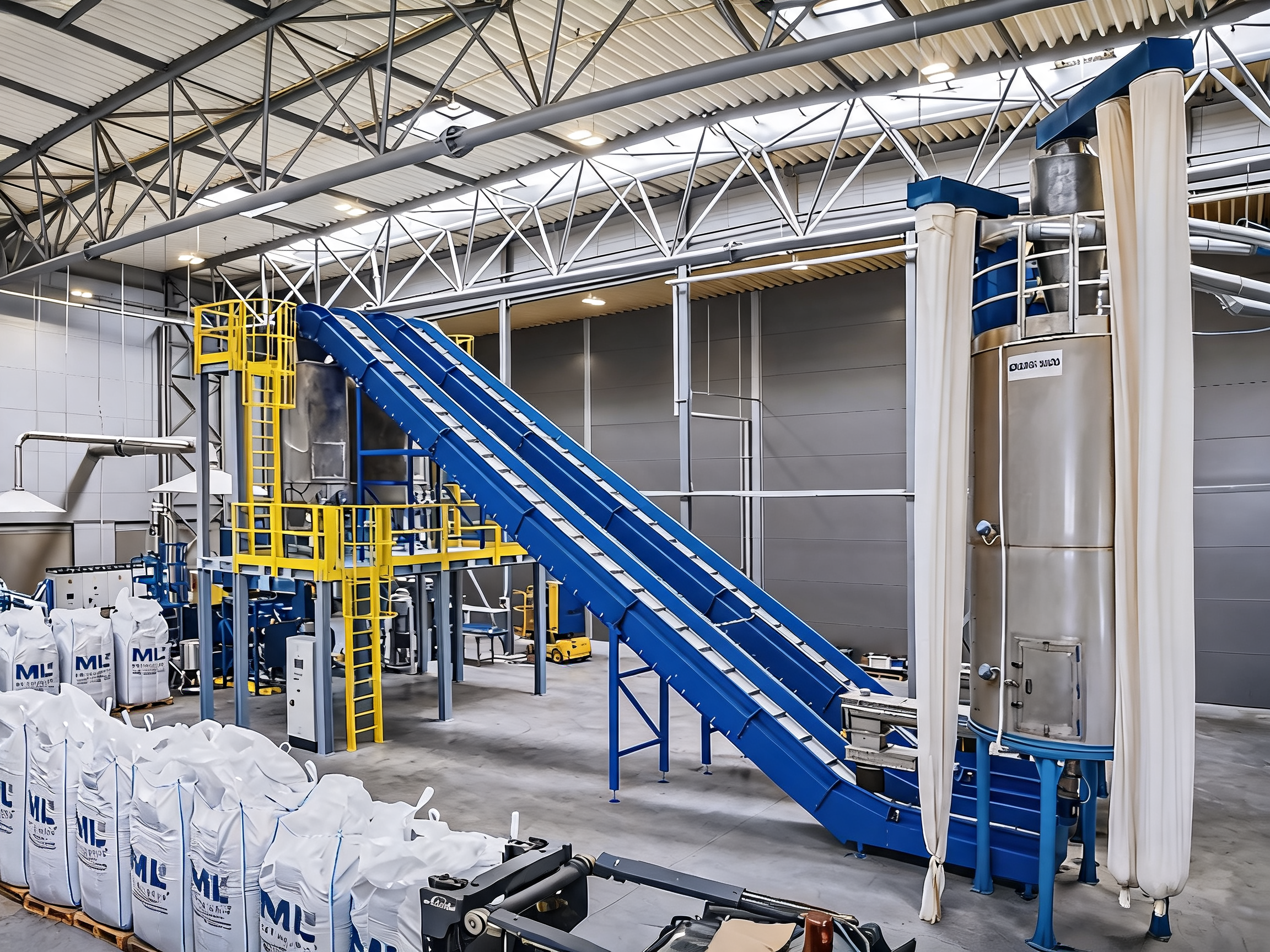
ML Polyolefins supplies PP materials suitable for many of these segments through the production of regranulates and compounds manufactured from post-consumer and post-industrial waste.
Polypropylene and recycling – the ML Polyolefins perspective
Polypropylene is recyclable. Under controlled temperature and pressure conditions, it can be repeatedly melted and reprocessed, although some gradual deterioration in selected properties may occur.
In the EU, the actual PP recycling rate in 2017 was approximately 14–15% of the waste stream, while Directive (EU) 2018/852 sets a recycling target of 55% by 2030.
ML Polyolefins obtains raw material from two main sources: post-consumer waste, such as packaging and household products, and post-industrial waste, including injection-moulding scraps and rejected components from various industrial sectors.
Monitoring parameters such as melt flow index (MFI), density and ash content allows us to maintain stable material characteristics so that our regranulates can meet the requirements of technical product manufacturing.
The environmental benefits include a reduced carbon footprint, lower consumption of virgin raw materials and energy, and better alignment with sustainability and circular economy targets.
The main challenges include contamination with other polymers, colour variation and heterogeneous waste streams. We minimise these risks through multi-stage raw material selection and laboratory quality control of each batch.
Investments in chemical recycling in the EU have already exceeded EUR 8 billion, with a target of producing 2.8 million tonnes of recycled material annually by 2030.
FAQ – frequently asked questions about polypropylene (PP)
Below are answers to some of the questions we most frequently receive from ML Polyolefins customers and partners. Each question concerns a practical aspect of working with PP.
Is polypropylene safe for food contact?
Virgin PP grades may be approved for food-contact applications in accordance with Commission Regulation (EU) No 10/2011, provided the specific material complies with the relevant requirements. Polypropylene does not inherently contain BPA and generally does not require phthalate plasticisers.
Recycled PP intended for food-contact applications requires additional verification and certification, including migration testing confirming that relevant substances remain below permitted limits.
How can polypropylene be identified in practice?
Most polypropylene products are marked with the recycling symbol “05 PP”.
PP is lightweight, slightly flexible and usually does not fracture as easily as more brittle plastics such as polystyrene. It has a density below that of water, meaning many unfilled PP grades float.
In professional recycling and material identification, polypropylene should be identified using markings, density separation or analytical methods rather than flame testing.
PP itself is non-magnetic, although compounds containing metallic fillers may behave differently.
What is the difference between PP and ABS in housings and suitcases?
ABS generally offers higher impact resistance and better surface aesthetics, including gloss and colour quality, but it is more expensive and may be more difficult to recycle in mixed plastic streams.
PP offers better resistance to chemicals such as detergents and oils, lower weight and a relatively straightforward mechanical recycling pathway.
For applications where low weight, chemical resistance and cost efficiency are key factors, PP can be an attractive material choice.
How does recycled PP compare with virgin material in terms of quality?
High-quality PP regranulate can achieve mechanical properties close to those of virgin material, provided the feedstock is properly selected, stabilised and processed.
In applications such as transport crates, construction profiles, non-visible automotive components and pallets, recycled PP can perform very well.
Where full transparency, highly controlled cosmetic quality or certified food-contact performance is required, virgin material or specially selected and certified recycled grades may still be necessary.

