




Polyolefin Recycling – What Is It and Why Is It So Important?
Polyolefin Recycling – What Is It and Why Is It So Important?
Regranulate is a secondary plastic material in granular form, produced by recycling polyolefin waste – mainly polypropylene (PP) and polyethylene (PE) – and intended for reuse in manufacturing. At ML Polyolefins, we process such waste into high-quality material for manufacturers and companies looking for a stable supply of regranulate or an effective way to manage their own plastic waste.
In this guide, we take a practical look at how mechanical recycling of PP and PE works, which types of waste can be processed, what properties and applications regranulate has across different industries, and what cooperation with a recycler looks like. This is an important topic for companies seeking to reduce the environmental impact of plastics, lower production costs, and better respond to the requirements of the circular economy.
What Is Polyolefin Regranulate (PP and PE)?
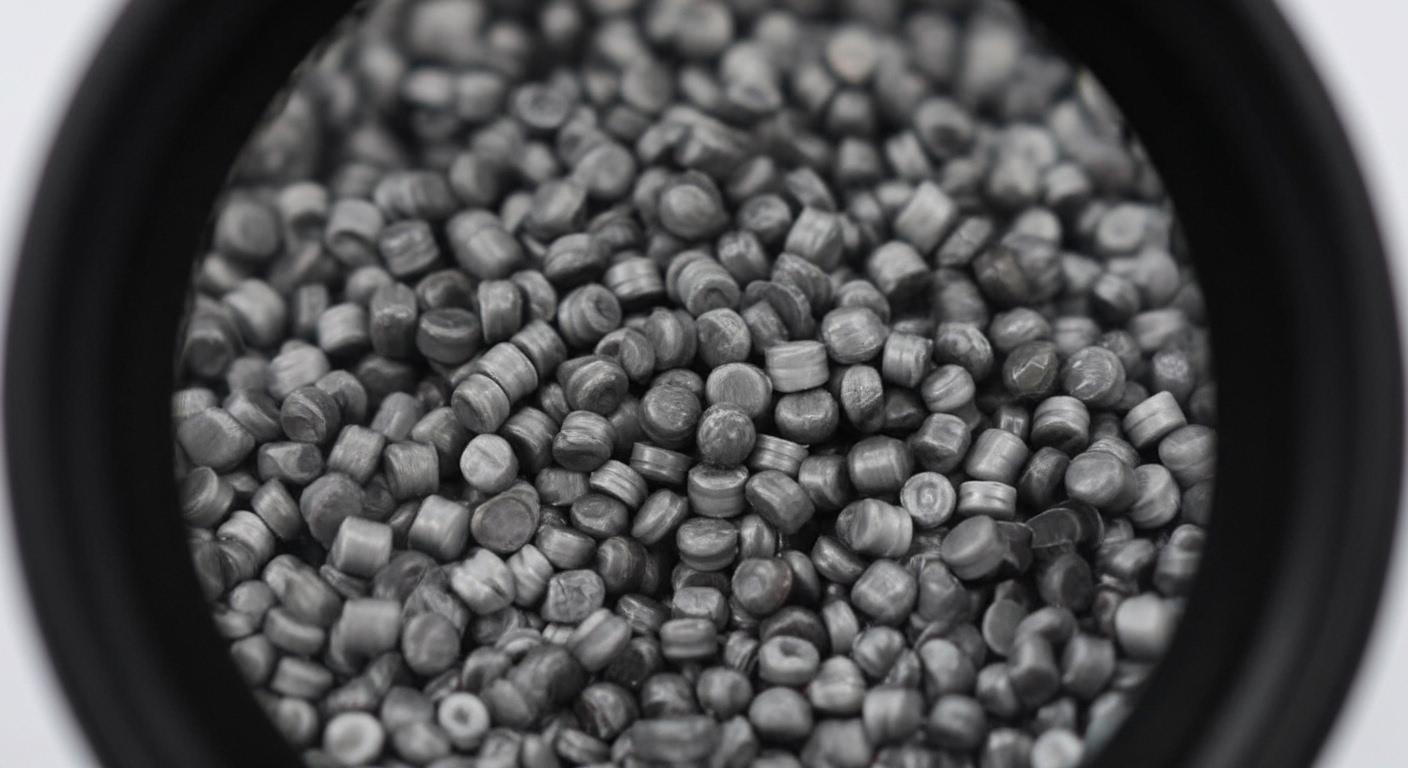
Regranulate is a secondary plastic material in granular form produced by recycling plastic waste. In our case, the input material consists of polyolefin waste – primarily PP and PE. Regranulate can be produced from various types of plastics, including PE, PP, and PET, but at ML Polyolefins we focus exclusively on polyolefins.
In practice, PP and PE regranulate consists of homogeneous granules with controlled density, colour, and melt flow rate (MFR), prepared for further processing through extrusion, injection moulding, or blow moulding.
It is important to distinguish between regranulate and regrind. Regrind is simply mechanically shredded plastic, while regranulate undergoes a complete melting and pelletising process, resulting in more stable and controlled material parameters.
As a recycler, we focus on polyolefins because polyethylene and polypropylene are among the most widely used plastics in packaging, logistics, and construction. Other polymers, such as polyamide or PVC, introduced into the material stream can negatively affect the mechanical properties of the final product. Regranulate may contain microscopic contaminants or traces of other polymers, which is why the purity of the input material is so important.
What Types of Plastic Waste Do We Process Into Regranulate?
The quality of regranulate starts with the quality of the waste material. In mechanical recycling of PP and PE, the source and homogeneity of the waste stream are crucial – both for post-industrial and post-consumer materials.
Typical waste streams processed by ML Polyolefins include:
- Post-industrial waste: PP film extrusion offcuts, non-conforming PP injection-moulded components, transport crates, pallets, and logistics containers
- Post-consumer waste: stretch film and LDPE films from logistics – these materials require thorough sorting and washing before pelletising
It is worth noting that dirty plastic can be disposed of in designated plastic waste containers and does not need to be washed before disposal – washing takes place during industrial processing. Plastic waste contaminated with chemicals, however, requires special handling and must not enter the standard municipal waste collection stream.
Proper plastic waste separation is essential for efficient recycling. It reduces environmental impact and makes it possible to obtain cleaner secondary raw materials. Plastic waste contributes to marine and ocean pollution, which means that every tonne of waste diverted from landfill and sent for recycling makes a real difference.
Not all types of plastic are suitable for producing high-quality technical regranulates. The homogeneity and purity of the waste determine whether the resulting regranulate can be used, for example, in the production of plastic gears or other components subject to increased mechanical loads.
Mechanical Recycling of PP and PE – Step by Step
Mechanical recycling is currently the most widespread and efficient method of processing PP and PE waste. The production of regranulate helps reduce the environmental impact of plastic waste and, compared with alternative recycling technologies, generally has a lower carbon footprint. Polypropylene (PP), like polyethylene, can be mechanically recycled multiple times.
The main stages of the process include:
| Stage | Description |
|---|---|
| Collection and selection | Initial assessment of waste quality and separation by material type |
| Sorting | Separation of PP from PE and removal of contaminants and foreign polymers |
| Shredding | Cutting waste into smaller pieces |
| Washing and drying | Removal of organic contaminants, adhesives, labels, and other impurities |
| Extrusion | Melting, melt filtration, and homogenisation |
| Pelletising | Forming, cutting, and cooling the finished granulate |
Plastic waste is collected, sorted, washed, and shredded – cleaning and sorting are among the key stages in regranulate production.
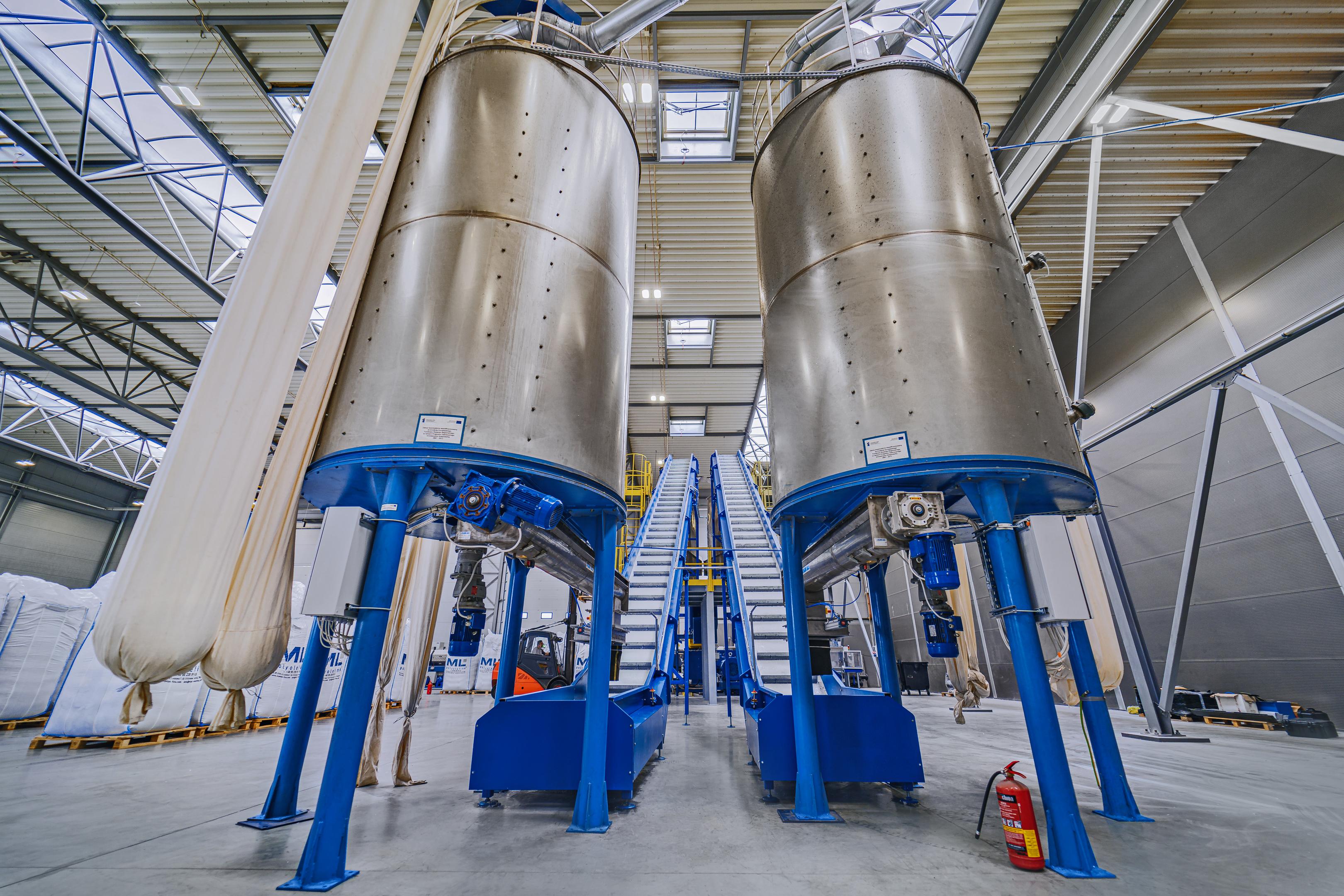
Modern recycling lines used by ML Polyolefins employ advanced melt filtration, degassing systems for removing residual gases and volatile compounds, and precise process temperature control. This makes it possible to achieve stable material quality even when processing more demanding waste streams.
Quality control includes testing density, melt flow index (MFI), contamination levels, moisture content, as well as tensile strength and impact resistance of finished batches.
Properties of PP and PE Regranulates Compared With Virgin Plastic
A well-controlled recycling process makes it possible to produce regranulates with properties close to those of virgin plastics. Regranulate may have slightly lower mechanical strength due to repeated processing, but depending on the application, the difference can be negligible.
PP is characterised by high chemical resistance. It is resistant to most acids, alkalis, and organic solvents and offers excellent functional properties. Polypropylene also has low water vapour permeability, which makes it valuable in packaging applications.
PP has moderate abrasion resistance and relatively high thermal expansion, which should be taken into account when designing products operating under changing temperatures and when selecting appropriate material parameters.
Due to natural variations in recycled material, processing parameters may sometimes need to be adjusted. Suitable additives – including UV stabilisers, antioxidants, and fillers – can be used to modify stiffness and other characteristics to meet specific application requirements.
Regranulate can also be blended with virgin plastic in applications where maintaining high fatigue resistance is particularly important, for example at low operating temperatures.
Industrial Applications of Regranulates – From Packaging to Technical Components and Electrical Insulation
PP and PE regranulate is no longer considered a “lower-grade” material. Today, it is widely used across numerous industries. Regranulate is used to manufacture both everyday products and technical components, while increasing recycled content can help companies meet circular economy requirements.
Key application areas include:
- Packaging: films, bags, and packaging products
- Logistics: pallets, containers, and pallet boxes – products designed for long-term use without significant loss of performance
- Construction: protective pipes, profiles, and drainage components – widely used throughout the construction sector
- Insulation: PP and PE components used in electrical and thermal insulation
- Agriculture: agricultural films, irrigation components, and strapping
- Automotive: components with moderate technical requirements, spacers, and housings
- Technical fibres: PP fibres used in geotextiles and technical fabrics
In technical applications, PP regranulate can also be used for the production of gears in low-speed mechanisms, guides, and plain bearings.
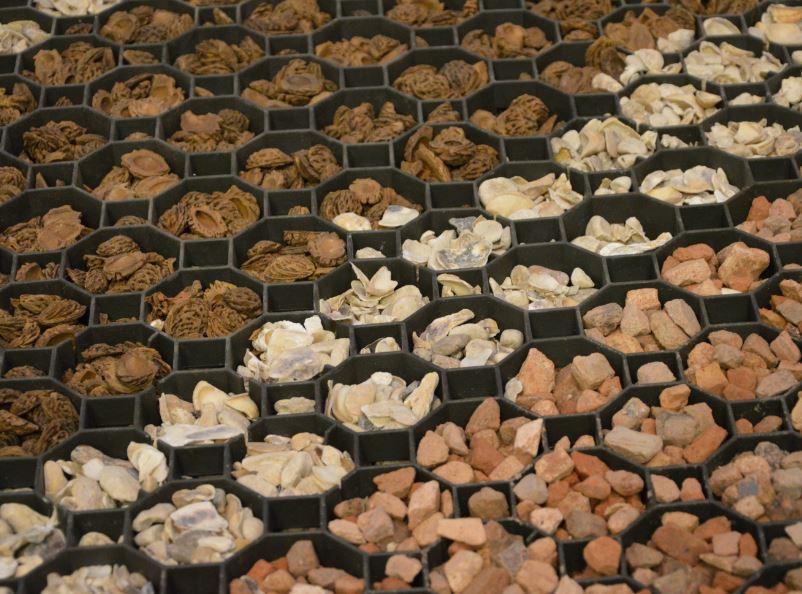
One example of a company fully utilising the potential of recycled materials is Stella Green – a manufacturer of garden and infrastructure products made from 100% recycled plastics.
Its SG3 eco grid can withstand loads of up to 400 t/m² and is resistant to weather conditions, demonstrating that recycled plastics can be used to manufacture products with excellent performance characteristics.
Environmental and Economic Benefits of Using Regranulate
In the context of Europe’s circular economy, polyolefin regranulate is playing an increasingly important role. EU plastics recycling capacity increased from approximately 2 million tonnes in 1996 to more than 13.5 million tonnes in 2024, with polyolefins accounting for a significant share of this capacity.
Environmental benefits:
- Reducing the amount of waste sent to landfill and incineration
- Reducing demand for virgin raw materials, including crude oil
- Lowering greenhouse gas emissions associated with plastic production and waste management
- Helping reduce contamination of groundwater caused by plastic waste
- Delivering measurable environmental benefits rather than relying solely on declarations
Economic benefits:
- Regranulate can reduce production costs due to its lower price compared with virgin raw materials
- More stable material costs and reduced dependence on fluctuations in petrochemical markets
- The possibility of increasing recycled content in finished products, which can be advantageous in tenders and commercial contracts
Working with a specialised recycler such as ML Polyolefins enables manufacturers to manage their own post-industrial waste and create a more closed-loop material system.
With EU regulatory requirements continuing to develop, manufacturers that introduce recycled materials earlier can strengthen their competitive position. This page has been updated to reflect the latest available market data from 2026.
How to Work With ML Polyolefins When Designing Products Using Regranulate
As a polyolefin recycler, we work both with manufacturers looking for a stable supply of regranulates and with companies seeking an effective solution for managing their own production waste. Supplying finished regranulate is only one part of our role.
A typical cooperation process includes:
- Waste analysis – assessment of the types and quantities of PP/PE waste generated by the customer
- Collection system selection – determining logistics, collection frequency, and waste separation requirements
- Processing trial – test processing of a batch into regranulate with a complete material specification
- Supply implementation – regular deliveries of regranulate with agreed parameters
When designing a plastic product, such as a transport crate or garden component, it is worth considering the use of regranulate from the very beginning. This may require selecting the appropriate MFR and suitable stabilising additives.
We provide support with testing on customers’ injection moulding machines and with selecting blends of regranulate and virgin material for more demanding applications where a high level of repeatability must be maintained.
Well-planned cooperation can help reduce waste management costs while building a competitive advantage based on genuine polyolefin recycling.
FAQ – Frequently Asked Questions About PP and PE Regranulate
Below, we answer some of the practical questions frequently asked by manufacturers considering the use of recycled plastics. The answers are based on ML Polyolefins’ experience in the polyolefin recycling market in Poland and Central Europe.
Can PP/PE regranulate be used in products that come into contact with food?
Requirements concerning the use of recycled plastics in food-contact applications are strict. Regranulates produced from post-consumer waste are rarely approved for direct food contact unless relevant EFSA requirements are met and controlled closed-loop waste streams are used.
In practice, PP/PE regranulate is more commonly used in logistics components such as pallets and crates or in external layers of packaging.
Virgin plastic or certified recycled materials are generally used for direct food-contact applications. Each application requires an individual assessment of applicable national and EU regulations.
What is the minimum amount of waste worth sending for recycling to ML Polyolefins?
The most efficient cooperation usually starts with full truckloads – approximately 20–24 tonnes of homogeneous PP or PE waste.
For smaller quantities, it may be worth storing the material until a full transport batch can be collected. The homogeneity and purity of the waste stream are particularly important – even smaller quantities of well-sorted material may be economically viable.
Is regranulate suitable for manufacturing gears and other precision plastic components?
The requirements for manufacturing gears are higher than for standard plastic parts due to dynamic loads, material fatigue, and dimensional precision.
For less demanding applications, such as low-speed mechanisms, blends of regranulate and virgin material can be used, although prototype testing is essential.
For the most demanding transmission components, high-performance polymers are generally recommended, while regranulate may be used only in a limited proportion.
What is the difference between mechanical and chemical recycling of polyolefins?
Mechanical recycling involves physically processing plastic waste through shredding, washing, extrusion, and pelletising without breaking the polymer down into its original monomers.
It is a preferred recycling method for PP and PE due to its relatively straightforward technology and lower costs.
Chemical recycling, including processes such as pyrolysis and depolymerisation, breaks polymers down into smaller chemical molecules but is generally more energy-intensive.
Other approaches also exist, including energy recovery, but ML Polyolefins focuses on mechanical recycling, which makes it possible to convert plastic waste into ready-to-use regranulate within a relatively short material loop.
How Does Regranulate Affect the Quality of the Finished Product Compared With Virgin Plastic?
When the recycling process is properly controlled, the differences can be relatively small. PP regranulate can achieve density and mechanical properties close to those of virgin material.
Controlling contamination levels is essential. The presence of foreign polymers, such as polyamide in a polyolefin blend, can negatively affect the final material properties.
Appropriate additive selection and regular quality control make it possible to obtain recycled material that meets the requirements of a wide range of industrial applications.

